Hamilton County, TN & North Georgia · IECC Climate Zone 4A Specification
Crawl Space Encapsulation, Rim-Joist Foam & Moisture Control
Heavy-duty reinforced vapor barriers, closed-cell foam on rim joists and foundation walls, commercial dehumidification, and drainage integration that stop subfloor moisture and cupped hardwoods.
Quick answer
Heavy-duty reinforced vapor barriers, closed-cell foam on rim joists and foundation walls, commercial dehumidification, and drainage integration that stop subfloor moisture and cupped hardwoods. Hamilton County's humid climate and proximity to the Tennessee River and Chickamauga Lake mean crawl spaces stay damp most of the year. Perimeter encapsulation meeting IRC R408.3 standards: R-13.5 continuous closed-cell foam on stem walls and rim joists, heavy 20-mil reinforced Class I vapor retarder turned up 6"+ and sealed, and commercial dehumidification holding RH <55%.
Scope of work
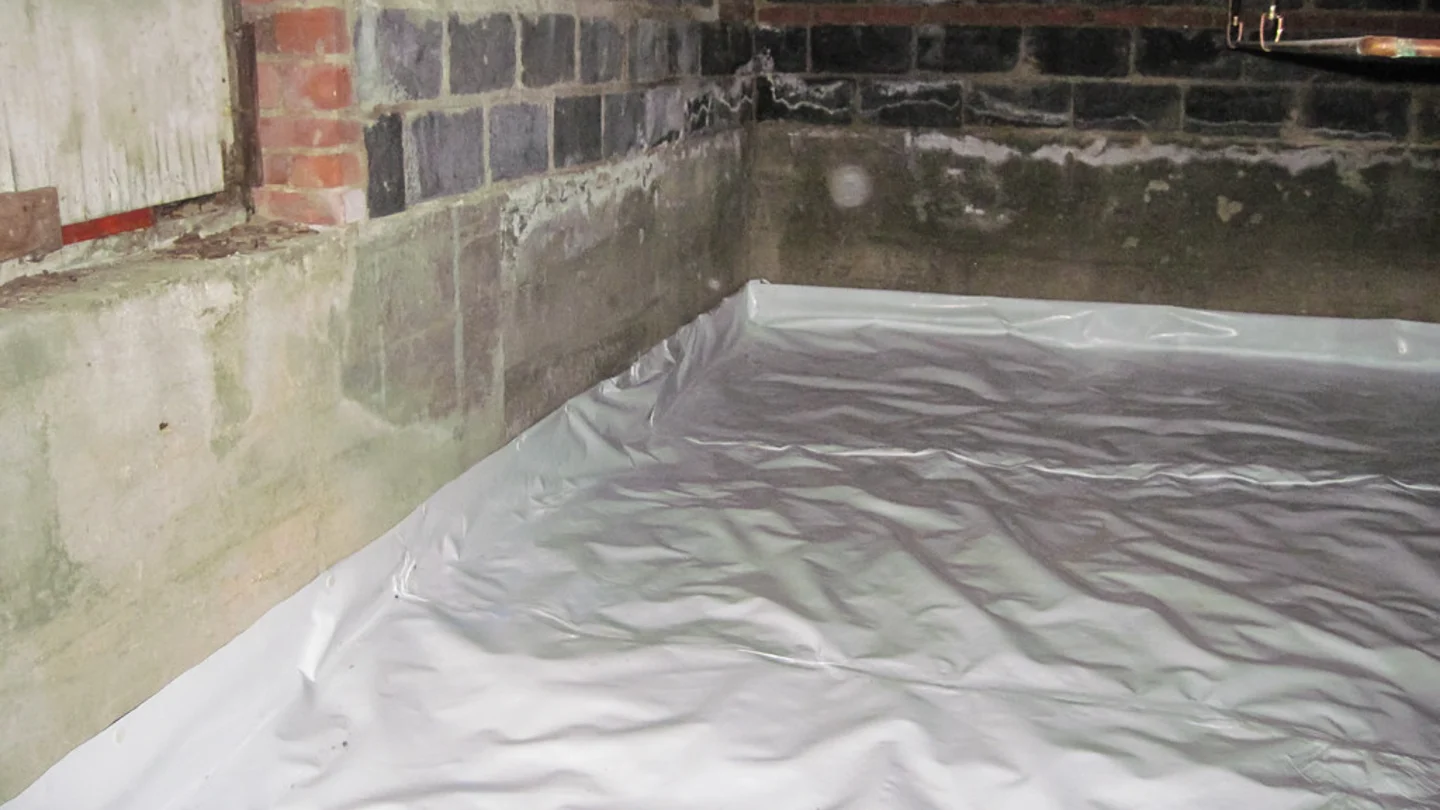
- ✓Heavy-duty 20-mil CleanShield antimicrobial ground liner sealed to foundation walls
- ✓Closed-cell spray foam on rim joists and stem walls (IRC R408.3 continuous R-13.5)
- ✓Commercial low-profile dehumidifier sized to crawl volume holding RH <55%
- ✓Sump pump and perimeter drain integration
- ✓Conditioned crawl with supply/return or transfer-grille ventilation
- ✓Removal of fallen fiberglass and debris
Performance in IECC Climate Zone 4A
Hamilton County's humid climate and proximity to the Tennessee River and Chickamauga Lake mean crawl spaces stay damp most of the year. Perimeter encapsulation meeting IRC R408.3 standards: R-13.5 continuous closed-cell foam on stem walls and rim joists, heavy 20-mil reinforced Class I vapor retarder turned up 6"+ and sealed, and commercial dehumidification holding RH <55%.
What drives project pricing
| Full turnkey encapsulation | Typically $6,000–$14,500 (typical $8,500–$14,500 or $6–$14/sq ft with dehumidifier) |
|---|---|
| Basic moisture barrier & rim joist | $3,500–$6,000 starter package |
| Commercial dehumidifier install | Sized to the crawl volume |
Ranges are typical for the Chattanooga market before incentives; a locked quote needs an on-site measurement.
What a complete quote includes
- ✓Crawl inspection for moisture sources and standing water
- ✓Vapor-barrier and wall-foam layout
- ✓Dehumidifier sizing and drainage plan
- ✓Conditioning strategy (supply air vs. dehumidifier)
- ✓Timeline and remediation of damaged insulation
Real Transformation Results
Damp Dirt Crawl Space vs. 20-Mil CleanShield Encapsulation
Moisture Defense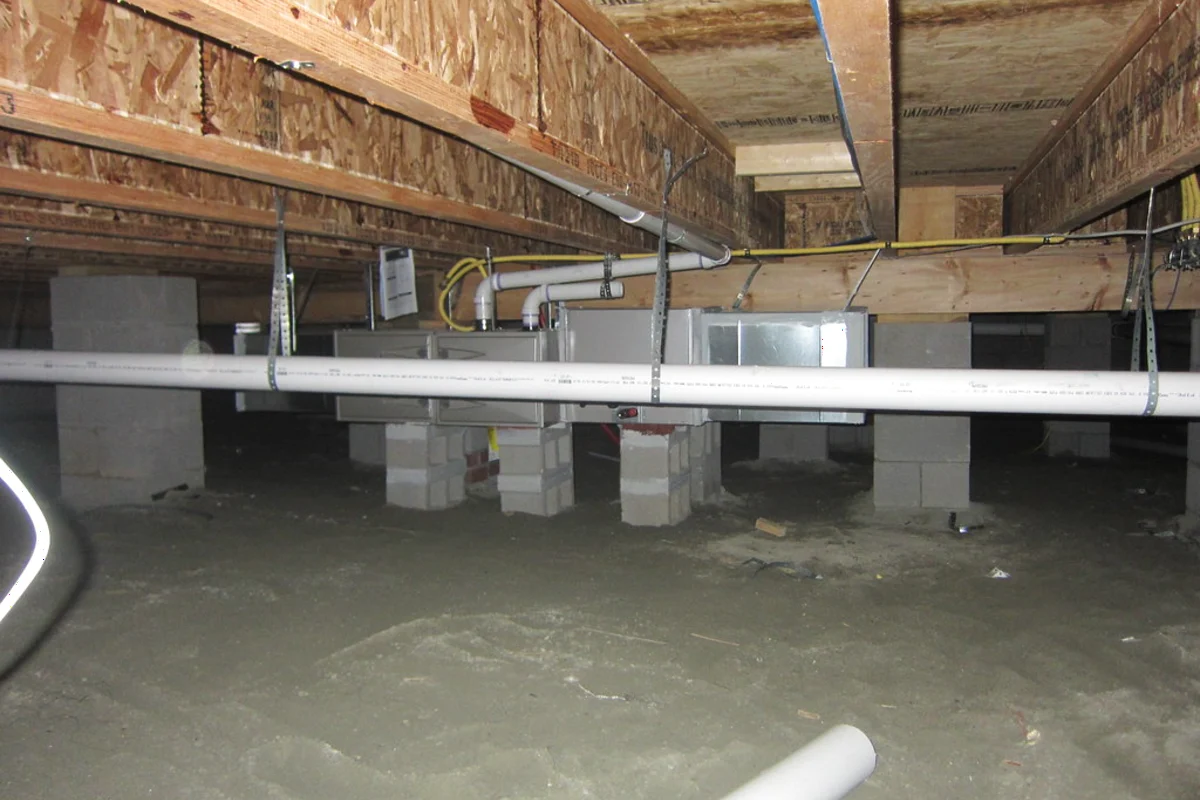
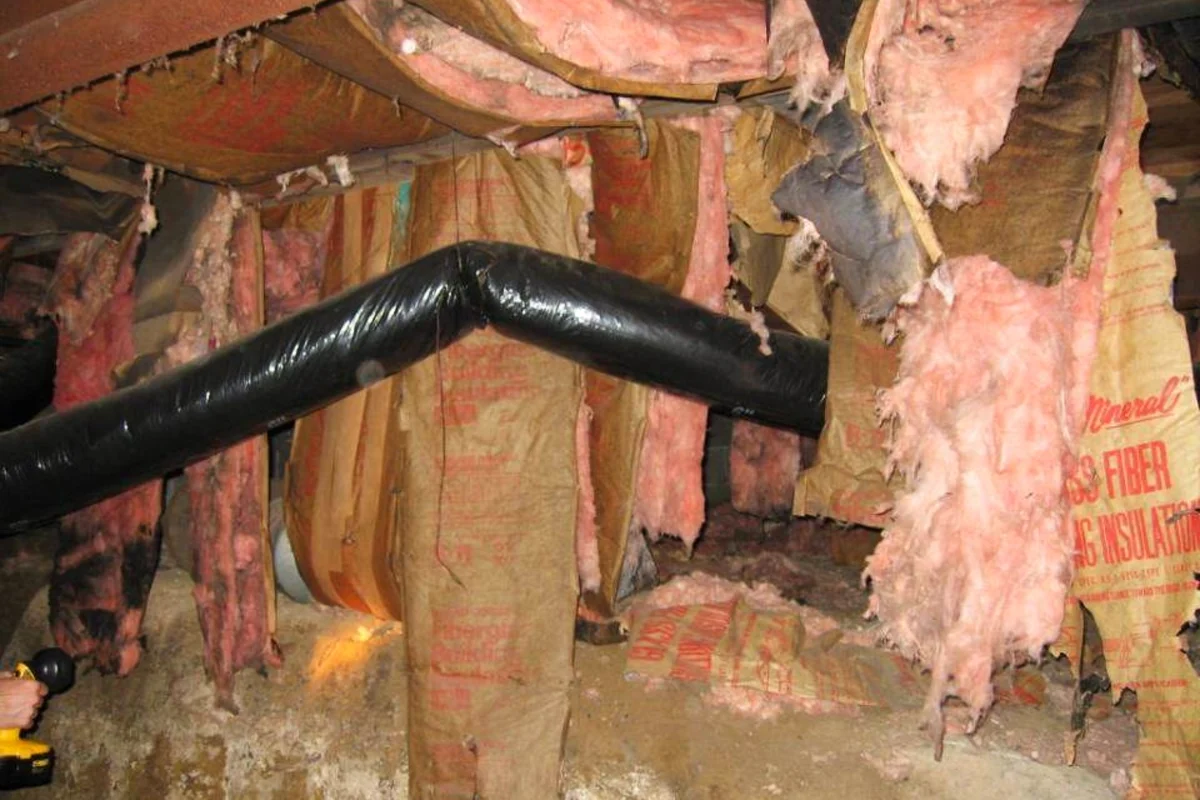
High ground humidity causes wood rot and hardwood floor cupping. Full crawl space encapsulation seals out ground moisture, insulates foundation walls, and keeps subfloors bone-dry.
Frequently asked questions
- Should I encapsulate my crawl space or insulate under the floors?
- In humid Zone 4A, encapsulation almost always wins. Floor insulation alone leaves a damp, vented crawl that pumps humidity into the house and rots the subfloor. Encapsulation controls the source — the ground and the air — instead of fighting the symptom.
- Why are my hardwood floors cupping?
- Cupping is almost always a moisture problem under the floor. A damp, vented crawl space wets the subfloor from below. Encapsulation plus a dehumidifier brings the wood moisture content down and the floors flatten out over a season or two.
Get a free on-site estimate
Fast quotes, honest recommendations, and no obligation. We'll match you with a vetted local insulation and crawl space specialist for your project.