Hamilton County, TN & North Georgia · IECC Climate Zone 4A Specification
Attic Insulation, Air Sealing & Conditioned Attic Conversions
Convert hot vented attics into sealed conditioned spaces with roofline spray foam, seal top plates and ductwork, and top up with high-R blown-in fiberglass or cellulose for a cooler, lower-bill home.
Quick answer
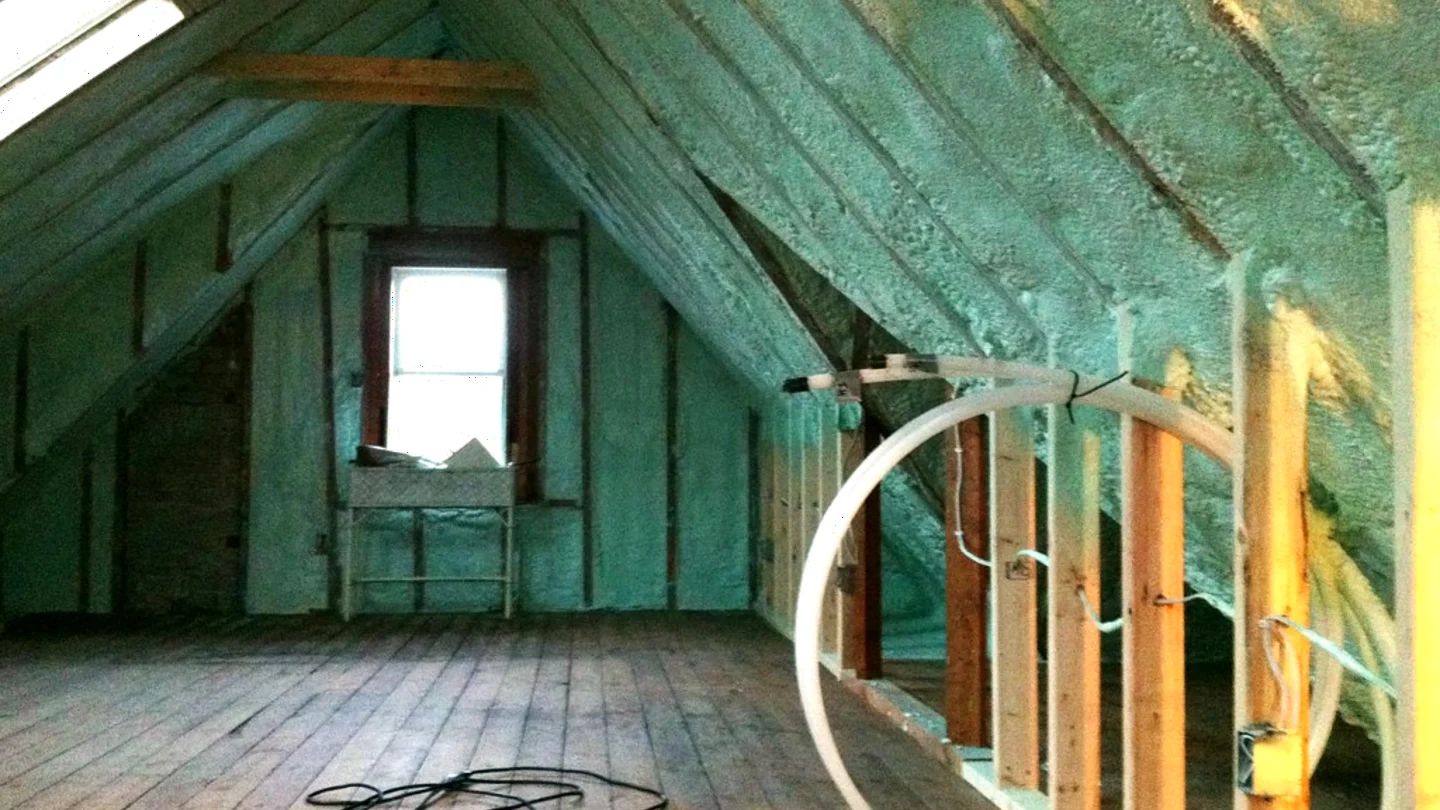
Convert hot vented attics into sealed conditioned spaces with roofline spray foam, seal top plates and ductwork, and top up with high-R blown-in fiberglass or cellulose for a cooler, lower-bill home. Vented attics in humid Zone 4A pull warm moist air in all summer, sweating ducts and overworking the AC. Engineered to meet IRC R806.5 condensation control standards with minimum R-15 continuous impermeable closed-cell foam directly on roof sheathing before bringing attic HVAC inside the envelope.
Scope of work
- ✓Vented-to-conditioned attic conversion with roofline closed-cell spray foam (IRC R806.5 compliant)
- ✓Top-plate, wire, and pipe penetration air sealing at the ceiling plane
- ✓Duct sealing and burying ducts in the conditioned envelope
- ✓Blown-in fiberglass or cellulose to R-49 where vented assembly is kept
- ✓Ridge/soffit vent management and baffle installation
- ✓Attic hatch and pull-down stair sealing and insulation boxes
Performance in IECC Climate Zone 4A
Vented attics in humid Zone 4A pull warm moist air in all summer, sweating ducts and overworking the AC. Engineered to meet IRC R806.5 condensation control standards with minimum R-15 continuous impermeable closed-cell foam directly on roof sheathing before bringing attic HVAC inside the envelope.
What drives project pricing
| Roofline closed-cell conversion | Typically $5,000–$9,500 for a 2,000 sq ft attic ($2,500–$4,500 for starter air-seal) |
|---|---|
| Blown-in fiberglass to R-49 | Typically $1.25–$2.00 per sq ft of attic floor |
| Air sealing & top plates | Bundled with insulation or itemized diagnostic scope |
Ranges are typical for the Chattanooga market before incentives; a locked quote needs an on-site measurement.
What a complete quote includes
- ✓Attic measurements and existing insulation depth check
- ✓Duct layout and equipment location review
- ✓Conditioned vs. vented recommendation for your home
- ✓Air-sealing scope and target R-value
- ✓Moisture and ventilation plan
Real Transformation Results
Vented Attic vs. Conditioned Roofline Conversion
Zone 4A Attic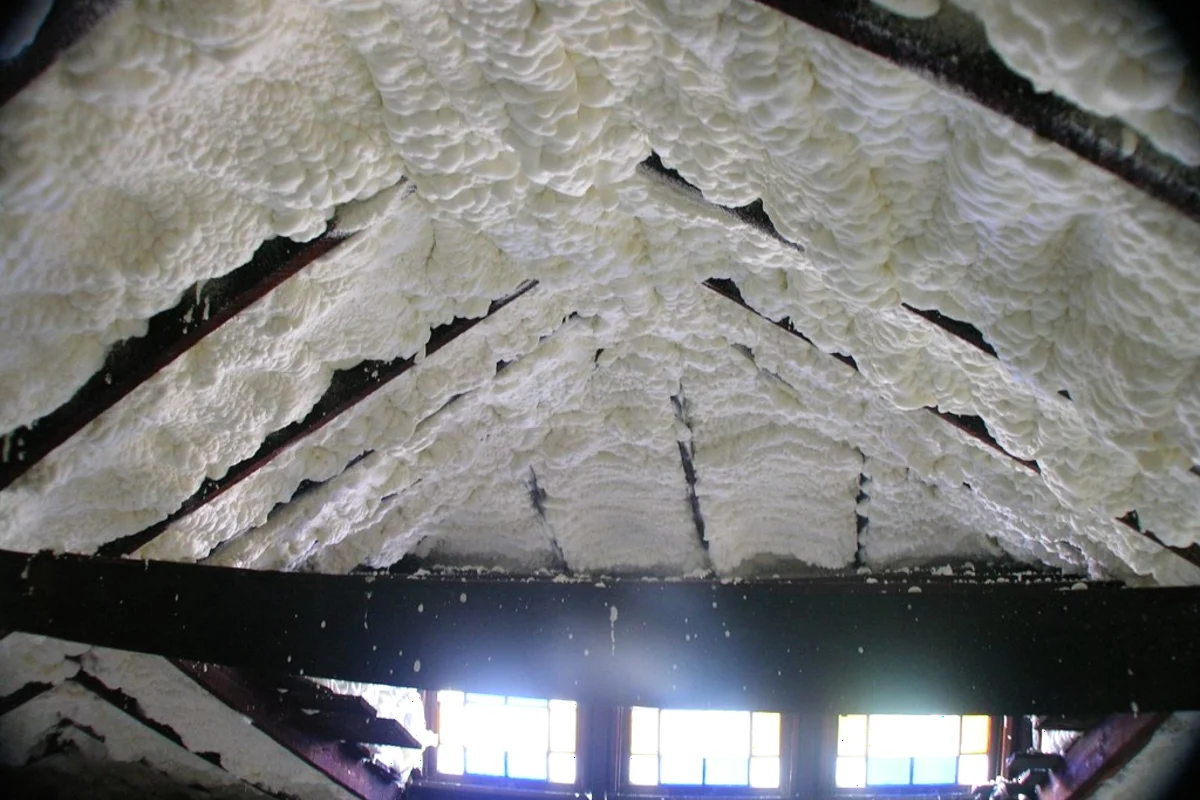
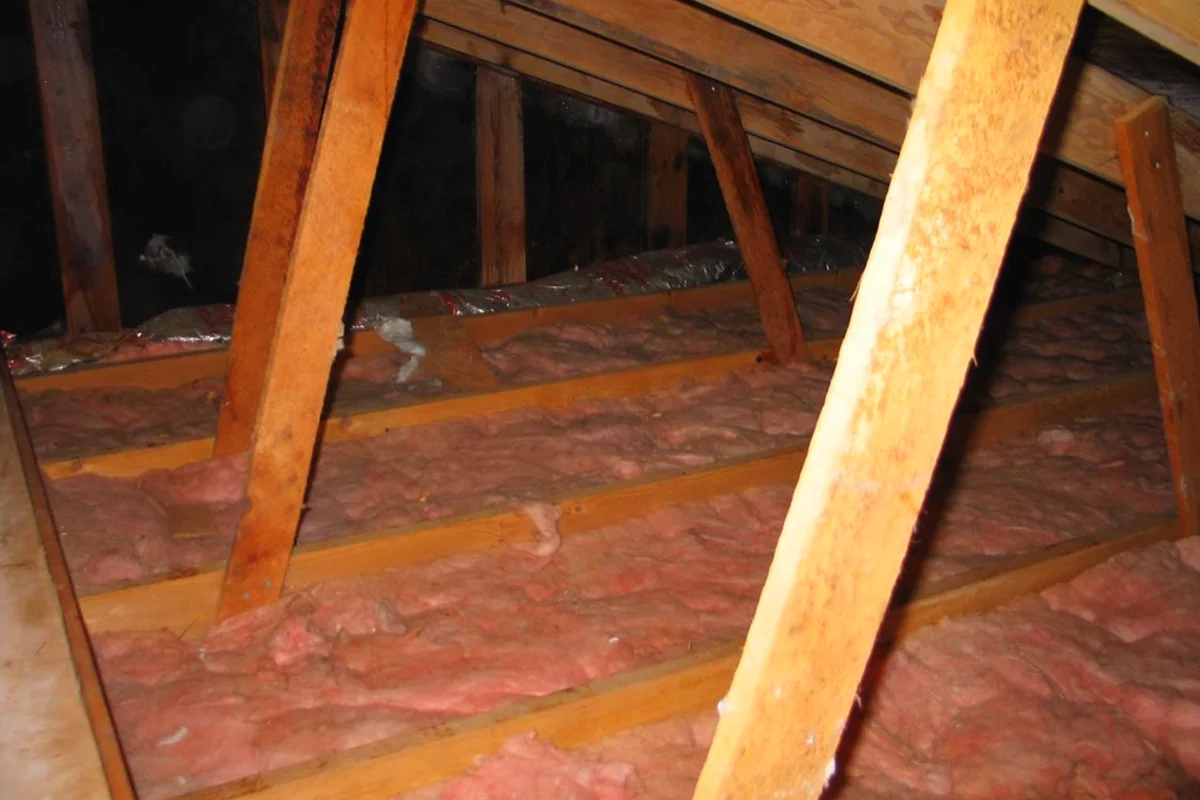
Converting an unconditioned vented attic to a sealed spray foam roofline brings HVAC equipment and ductwork inside the thermal envelope, cutting cooling loads by up to 40% in Chattanooga summers.
Frequently asked questions
- Should I seal my attic or just add more insulation?
- If your ductwork or HVAC equipment is in the attic, sealing the roofline and conditioning the attic almost always beats adding more insulation on the floor — you bring the equipment inside the envelope. If the attic is empty and vented, air-sealing the ceiling plane plus blown-in to R-49 is the cost-effective path.
- What does a conditioned attic conversion include?
- Closed-cell spray foam on the underside of the roof deck, sealing off the ridge and soffit vents, air-sealing the top plates and any interior wall cavities, and confirming combustion air and attic venting for any gas equipment. The result is a semi-conditioned, dry attic.
Get a free on-site estimate
Fast quotes, honest recommendations, and no obligation. We'll match you with a vetted local insulation and crawl space specialist for your project.